
Today is National Brown Bag It Day! If you're posting on social media, be sure to tag #BrownBagItDay.
The Origins of Brown Bagging
The concept of bringing lunch from home has existed for centuries, but the brown paper bag didn't became a staple, or the universal symbol of a homemade lunch, until the mid-20th century. Before that, workers used metal lunch pails, baskets, or cloth sacks. Sound familiar? Today's sustainability conscious consumers are going back to these roots and opting once again for reusable containers when they "brown bag it".
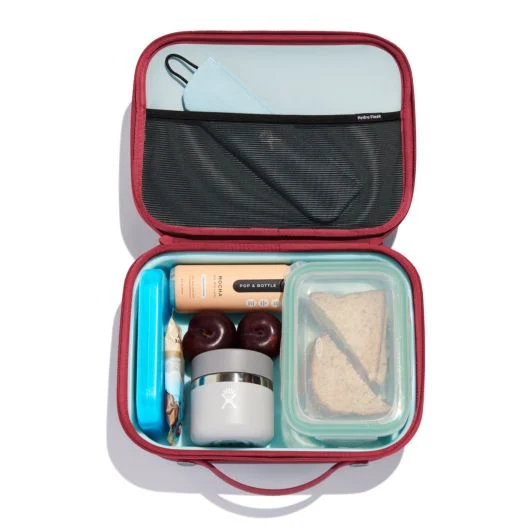
Popular, practical lunch bags have insulation and rigid linings, like the one shown here from Hydroflask. Wipe the solid interior with ease when the inevitable spills happen!
Whatever fun lunch bags, pails, bags or boxes you have would make a great feature for National Brown Bag It Day!
Occupational and Regional Lunch Foods
How we've been transporting our lunches is one thing, but what we've been transporting varies by region, culture and even occupation! If you have a traditional lunch food in your area, feature it today along with the best way to transport it!
Tamales
One of the oldest foods, and perhaps the first known portable meal, is the tamale from Mesoamerica. Originally made using teocintle, the ancestor of modern corn, tamales have been around for thousands of years. They take a long time to make, but they freeze well and all these millennia later, they still make a perfect lunch food. Best of all, tamales are a fun cooking project for a gathering of friends and family, or a cooking class, where many hands make light work.
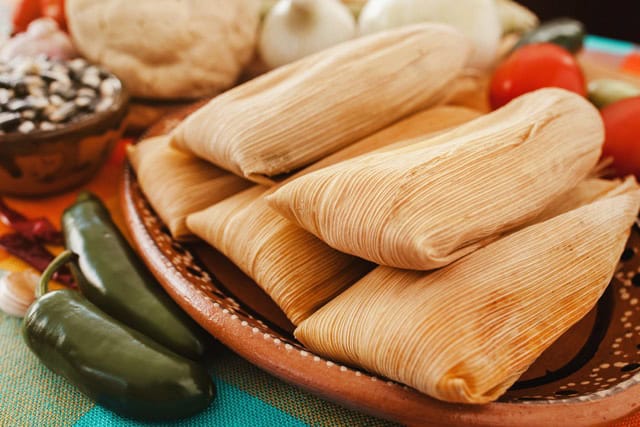
If you're looking for a delicious and reliable recipe or want to host a "Cook The Book" series, I highly recommend the Spicy Pork Tamales from "Tex-Mex Cookbook: Traditions, Innovations, and Comfort Foods from Both Sides of the Border" by Ford Fry and Jessica Dupuy.
Cornish Pasties for Miners:
One of the most famous occupationally linked lunches is the Cornish pasty (PASS-tee), originating from Cornwall, England. These robust, handheld pastries were prepared for miners who needed a substantial meal that was easily transported and easily eaten underground. The traditional pasty is filled with beef, potatoes, turnips, and onions, all encased in a sturdy pastry crust that could withstand the rigors of a miner's lunchbox or pocket. The thick edge, or "crimp," served as a handle that could be discarded after eating, minimizing contact with dirty, and often toxic, hands. Perhaps more importantly, the discards also kept the mischievous Tommyknockers, or mine 'ghosts' content. Unhappy Tommyknockers hide your tools, eat your lunch, turn out the lights, or worse.
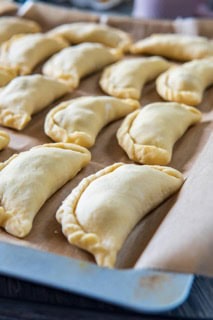
For those of us here in Montana (or any state with a rich mining history), this Butte classic makes a perfect Brown Bag It recipe feature!